Portugal Fishing: What to Sort Before You Cast and How to Fix It Fast
Before you even think about tying on a lure, there are a few things you need ready. I learned this the hard way on my first trip to the Algarve coast, standing on a rocky ledge with a rod in one hand and a confused look on my face because I had no idea a licence was required for recreational sea fishing. If you are planning portugal fishing, here is the short list of what to have sorted before you begin: a valid recreational sea fishing licence for mainland Portugal, a rough idea of where you can and cannot fish, gear that suits the Atlantic, and a plan for the weather. Everything else can wait.
What follows is not a glossy overview. It is the problem list I wish someone had handed me, each problem paired with the fix that actually worked. Think of it as a friend talking you through the bits that trip people up.
Problem 1: You Do Not Have a Licence and the Clock Is Ticking
The single biggest mistake visitors make is assuming that sea fishing from the shore is free and unregulated. It is not. Mainland Portugal requires a recreational sea fishing licence issued through DGRM, the government body responsible for maritime resources. Without it, you risk fines that will ruin your holiday budget faster than a snapped rod tip.
The fix is simpler than most people expect. You do not need a Portuguese tax number, you do not need to wrestle with a government portal in a language you do not speak, and you do not need to visit an office. A service like easyfishingpermit walks you through the application in about three minutes. You pay with card, Apple Pay, or Google Pay, and you are done. I used it on my phone while sitting in a cafe in Lagos, and by the time my coffee arrived I had my fishing license sorted. That is the whole point: remove the friction so you can get on with the actual fishing.
One practical note: sort the licence before you pack your rods. It is one less thing to worry about when you land, and it means you can head straight to the water instead of hunting for a Wi-Fi signal.
Problem 2: You Do Not Know Where You Are Allowed to Fish
Portugal has a long, varied coastline, and not all of it is open to recreational angling. Some areas are protected reserves, some are near busy swimming zones, and some have local restrictions that change with the season. Turning up at a random beach with a rod and hoping for the best is a recipe for a awkward conversation with a maritime authority officer.
The fix is to do a little homework before you leave your accommodation. Start with the obvious: harbour walls, rocky points, and beaches away from flagged swimming areas are usually fair game. Ask at a local tackle shop; the staff know exactly where the rules bite and where they do not. If you are fishing from a boat, check whether your skipper already holds the relevant permits, because that changes what you need personally.
For fishing in portugal, the licence you get through the service covers recreational sea fishing on mainland Portugal, which is exactly what most visiting anglers need. It does not cover freshwater rivers or reservoirs, so if you plan to mix it up, make sure you understand the separate rules for those.
Another tip: keep a digital copy of your licence on your phone and a printed copy in your bag. Signal can be patchy on remote stretches of coast, and you do not want to be fumbling for a screenshot when someone asks to see it.
Problem 3: Your Gear Is Wrong for the Atlantic
The Atlantic is not a gentle lake. It is cold, powerful, and full of fish that fight harder than you expect. I have watched people turn up with light freshwater tackle and spend the afternoon losing fish and breaking line. It is frustrating, and it is avoidable.
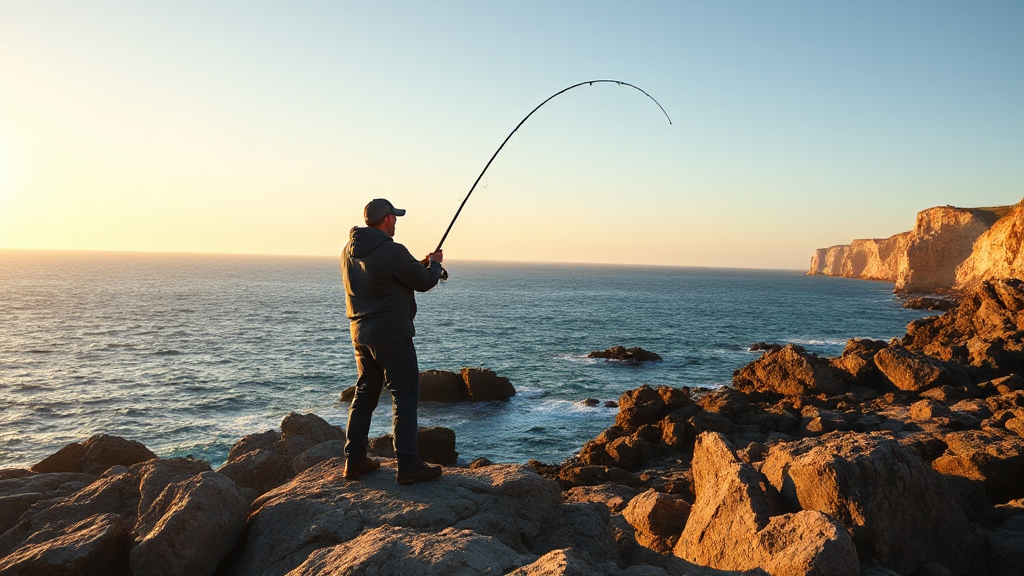
The fix is to match your gear to the conditions. For shore fishing, a rod in the nine-to-eleven-foot range with a reel that holds at least 200 metres of 20-to-30-pound braid will handle most situations. Bring a selection of weights, because the surf will dictate how much lead you need. If you are fishing from rocks, add a longer leader and a decent pair of grip boots; wet rock is genuinely dangerous.
Lures and bait both work, but the locals tend to favour fresh bait for species like sea bass and bream, and metal lures for mackerel and bonito. A small box of assorted hooks, swivels, and a pair of pliers will cover most eventualities. Do not overpack. You will carry it all, and you will regret it.
One more thing: sunscreen and water. The Portuguese sun is no joke, even when the sea breeze makes it feel mild. I have seen more people ruined by sunburn than by bad fishing.
Problem 4: You Have Not Planned Around Weather and Tides
The Atlantic does not care about your itinerary. Swells can build quickly, winds can shift, and a spot that was calm at breakfast can be unfishable by lunch. Ignoring this is how people get hurt or waste a day.
The fix is to check two things every morning: the marine forecast and the tide table. Windguru and similar apps give you a clear picture of swell height and period, which matters more than wind speed for shore fishing. As a rule, a swell under one metre is comfortable on most open coasts; anything above two metres and you should be looking for a sheltered bay or a harbour wall.
Tides matter because fish move with them. The two hours either side of high tide are often the most productive, especially on beaches. Low tide is a good time to scout the ground and spot features like gullies and rocky patches that hold fish.
If the weather turns, do not force it. Portugal has plenty of sheltered spots, and a bad day on the coast is still better than a good day in a hospital. Use the downtime to restock bait, check your knots, and plan the next session.
Problem 5: You Are Not Sure What You Are Catching
Portugal offers a remarkable variety of species, and if you do not know what you are looking at, you might accidentally keep something you should release. That is a problem for the fish and for you.
The fix is to learn a handful of common species before you go. Sea bass, gilt-head bream, sea bream, mackerel, horse mackerel, and Atlantic bonito are the usual suspects from the shore. Each has different size limits and seasons, so check the current rules before you keep anything. If in doubt, release it carefully and quickly.
A small laminated card with the key species and their limits is a cheap investment. You can make one yourself from the DGRM website, or ask at a local tackle shop. The staff are usually happy to help, and they will respect you for asking.
Handling matters too. Wet your hands before touching a fish you plan to release, support its belly, and use a knotless net if you have one. A fish that swims away strongly is a fish that survives.
Problem 6: You Are Fishing Alone Without a Plan
Solo fishing is peaceful, but it carries risk. A slip on rocks, a cut from a hook, or a sudden change in weather can turn a quiet afternoon into an emergency. I am not saying do not go alone; I am saying go prepared.
The fix is a simple routine. Tell someone where you are going and when you expect to be back. Carry your phone in a waterproof pouch, and make sure it is charged. Take a small first-aid kit with antiseptic wipes and plasters. If you are fishing from rocks, consider a life jacket; it looks uncool until it saves your life.
Also, know the emergency number. In Portugal it is 112. Save it in your phone before you leave. It takes ten seconds and it could matter enormously.
One last thing on the licence: keep it with you. Not in the car, not back at the apartment. If an officer asks, you want to produce it without drama. The whole point of sorting it online in advance is so that the paperwork never becomes the story of your trip.
Problem 7: You Are Overthinking the Whole Thing
Here is the truth: Portugal fishing is not complicated once the basics are in place. The licence is a three-minute job. The gear is a modest investment. The weather and tides are a daily check. Everything else is just time on the water, learning as you go.
The fix is to stop planning and start fishing. Pick a stretch of coast, get your licence sorted, check the forecast, and go. You will make mistakes, and that is fine. The first fish you catch on a Portuguese shore will taste better than anything you have eaten in a restaurant, partly because you earned it.
If you are reading this and thinking about booking that trip, do it. The Atlantic is waiting, the fish are there, and the paperwork is easier than you think. Sort the licence, pack the rod, and go find out what all the fuss is about.